
40 Million Digital Nomads Can't Be Wrong: Top 5 Countries in 2026 (Visa + Tax Guide)
Thailand, Portugal, Spain, Mexico, or Bali? Complete guide to the top 5 digital nomad destinations in 2026, including visa details, living costs, tax benefits, and emerging trends. Find the perfect base for your remote work lifestyle.
Over 40 million people are living as digital nomads in 2026—and that number is exploding.
But here's what most guides won't tell you: the golden age of Bali and Lisbon is over. Overcrowded cafés, skyrocketing rents, and visa crackdowns are pushing nomads toward smarter, quieter, cheaper destinations.
So where are they going?
After analyzing visa policies, cost of living, tax benefits, and real nomad feedback from 2026, we've identified the 5 countries that are actually winning in 2026—not the Instagram hotspots from 2019.
This isn't just a list. It's a decision framework. By the end, you'll know exactly where to go based on your priorities: visa flexibility, tax savings, or quality of life.
Let's dive in.
Quick Decision Tool: Find Your Best Fit in 30 Seconds
1. Easiest visa + strongest community → Thailand (DTV: 5 years, $270)
2. EU citizenship pathway → Portugal (D8 visa)
3. Lowest tax rate for high earners → Spain (15% flat tax)
4. Same timezone as North America → Mexico (180 days, $44)
5. Tropical paradise (with warnings) → Bali Still deciding? Read the full breakdown below.
#1: Thailand — The Unrivaled Hub for Digital Nomad Infrastructure
Thailand At a Glance:
- Visa: DTV (5 years, up to 1-year continuous stay)
- Key Draw: Unbeatable nomad infrastructure & value
- Watch Out: Burning season air pollution (Feb-Apr)
- Ideal For: First-time nomads, community seekers
Thailand claims the top spot not merely for affordability, but because it has mastered the art of catering to digital nomads' core needs.
In July 2024, Thailand officially launched the DTV visa (Destination Thailand Visa)—a five-year multiple-entry visa allowing 180 days per stay, extendable for another 180 days. In other words, you can stay in Thailand for a full year before needing to exit and reset. The application threshold is reasonable: maintain 500,000 baht (approximately $13,500 USD) in savings for three months and provide proof of remote work. That's it.
As of early 2026, this remains one of the most straightforward long-term visas for remote workers.
Chiang Mai: Digital Nomad Paradise
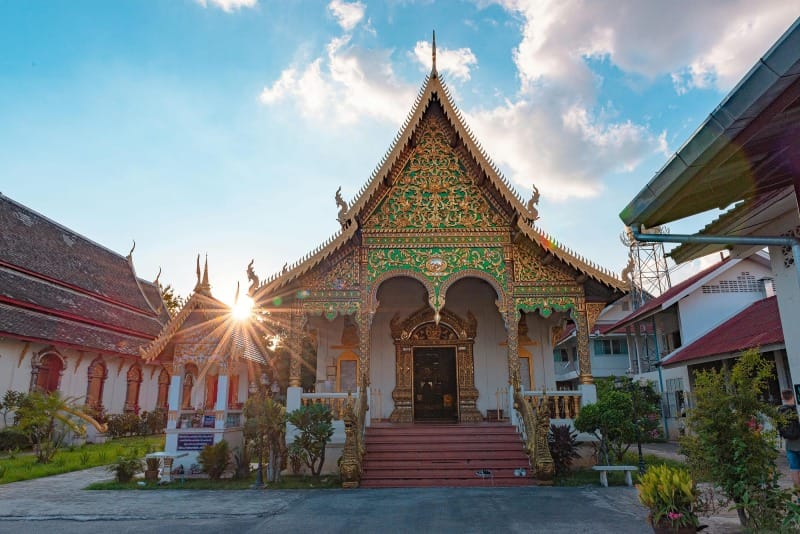
Chiang Mai, an ancient city steeped in Lanna heritage, boasts one of the world's highest concentrations of digital nomads. Walk into any café in the Nimman district and you'll see people working on laptops—designers from Berlin, engineers from New York, freelance writers from Tokyo. Co-living spaces, co-working venues, weekly community meetups—the infrastructure here is so complete you forget you're in a foreign land.
The cost of living? A comfortable lifestyle is achievable on $800 to $1,300 per month. Rent an apartment with a pool, eat at different restaurants daily, ride a motorbike to national parks on weekends. Chiang Mai's beauty isn't in luxury, but in that "just right" sense of ease.
But Chiang Mai has drawbacks. Every year from February to April during dry season, farmers burn crop residue, causing severe air pollution requiring masks outdoors. If you're sensitive to air quality, avoid this period or temporarily relocate to Bangkok, Phuket, or elsewhere.
Visa Details
| Visa Type | DTV Digital Nomad Visa |
|---|---|
| Validity | 5 years, multiple entry |
| Stay per entry | 180 days (extendable 180 more) |
| Fee | 10,000 baht (≈$270 USD) |
| Financial proof | 500,000 baht savings (maintained 3 months) |
Worth noting: DTV visa is 100% online application—no embassy visits required. For nomads already on the road, this is a blessing.
#2: Portugal — Europe's Gateway to Long-Term Stability
Portugal At a Glance:
- Visa: D8 (1 year, renewable to 5 years, path to EU citizenship)
- Key Draw: European base, safety, culture, English widely spoken
- Watch Out: Rising costs in Lisbon, complex application process
- Ideal For: Those seeking EU long-term stability
Lisbon's trams rattle along undulating cobblestone streets toward the river. At dusk, sitting at an Alfama viewpoint watching golden light on the Tagus River, distant Fado songs drift by—melancholic yet warm.
Portugal ranked sixth in the 2025 Global Digital Nomad Report, a European hotspot. It's not as expensive as London, not as cold as Berlin, yet has complete infrastructure, a safe society, and that uniquely Southern European "slowness."
Lisbon & Porto: Two Lifestyles
Lisbon perfectly blends big city convenience with small town leisure. Co-working spaces fill Príncipe Real and Chiado, cafés always have people typing away. But Lisbon is changing—with the influx of digital nomads and tourists, rent has skyrocketed 30-40% in three years. A one-bedroom in the city center costs €1,200-€1,800. It's no longer the Lisbon where you could live well on $1,500/month.
Porto offers another choice. This riverside city has fairytale-like Ribeira old town, world-class port wine, and living costs 15-20% cheaper than Lisbon. If you want more authentic local life, Porto is the better choice.
D8 Visa: Gateway to the EU
Portugal's D8 digital nomad visa requires monthly income of €3,480 (≈$3,700 USD), initially issued for one year, renewable up to five years. More importantly, this visa is a path to Portuguese permanent residence, even EU citizenship.
However, the application process isn't easy. Applicants from countries without a Portuguese consulate may need to apply through a third country or the online portal, which can add complexity. Additionally, landlords typically require 2-5 months deposit; finding housing without local credit history isn't simple for foreigners.
But if you invest the time and patience, Portugal rewards you with stable, beautiful, culturally rich living.
#3: Spain — Culture, Climate, and Tax Benefits Combined
Spain At a Glance:
- Visa: Digital Nomad Visa (1 year, renewable to 5 years)
- Key Draw: 300+ days of sunshine, 15% special tax rate, rich culture
- Watch Out: Rising costs in major cities
- Ideal For: High earners seeking tax benefits, culture enthusiasts
Spain ranked first in the 2025 Global Digital Nomad Report—and for good reason.
Barcelona's Gaudí architecture, Madrid's Prado Museum, Andalusia's white villages—Spain's culture is overwhelmingly rich. The climate is pleasant with over 300 days of sunshine annually, rarely dropping below 15°C even in winter. And the food—tapas, paella, jamón—every bite celebrates life itself.
Major Draw: The 15% Flat Tax Rate
Spain's digital nomad visa is initially issued for one year, renewable up to five years, with opportunity to apply for permanent residence. Monthly income requirement is €2,760 (≈$2,950 USD).
Most attractive is the tax benefit. Digital nomads enjoy a special 15% tax rate (versus 24% for regular non-residents), with foreign income potentially tax-exempt under certain conditions. This is a major incentive for high-earning freelancers or remote employees.
Cost of Living: No Longer Cheap, But Still Valuable
Barcelona and Madrid rent has reached €1,500-€3,500 (three-bedroom city center apartments). Groceries and restaurant prices are rising. But compared to London or Paris, Spain remains 15-25% cheaper. $1,500-$2,500 monthly provides quite comfortable living.
More importantly, Spain offers not just affordable living, but a feeling of being "alive." Weekends at the beach, dinner at 11 PM, chatting with strangers at bars past midnight—this life rhythm is irreplaceable elsewhere.
#4: Mexico — Soul of the Americas with Zero Hassle
Mexico At a Glance:
- Visa: 180-day tourist visa ($44 USD, electronic)
- Key Draw: Same time zone as US, incredible food scene, visa simplicity
- Watch Out: Safety varies by neighborhood
- Ideal For: North American remote workers, food lovers
Mexico City, this metropolis of 23 million, has small-town warmth.
Roma Norte and Condesa are digital nomad hubs. Tree-lined streets, parks filled with dog walkers, joggers, yoga practitioners. Café after café, each with reliable WiFi and outlets. More importantly, this is the world's most stunning food scene—from street corner taco stands to Michelin-starred restaurants, Mexico City's culinary depth could keep you eating for a year without repeating.
Super Generous Visa: 180-Day Tourist Entry
Mexico is incredibly friendly to international remote workers. The electronic visa grants 180 days for just $44 USD. For long-term residence, apply for temporary resident visa valid from 6 months to 4 years—just prove $3,000 monthly income or $50,000 savings.
This visa flexibility, plus sharing US Central Time Zone, makes Mexico the top choice for North American nomads. No staying up late for meetings or sacrificing social life.
Real Cost of Living
Mexico City is no longer "super cheap." Roma and Condesa rents have risen to $750-$1,500 (one-bedroom), restaurant meals $10-15. But if you live like locals—eat street food, take metro (5 pesos ≈ $0.25 per ride), shop at traditional markets—$1,000-$1,500 monthly still provides comfortable living.
Safety: Requires Common Sense and Caution
Mexico City safety depends on your area. Roma, Condesa, Polanco and other expat areas are relatively safe, but still take Uber at night rather than walking. Avoid remote alleys in Centro Histórico, don't flash wealth, stay alert—standard precautions for any major city.
#5: Indonesia (Bali) — Classic Beauty, Fading Charm
Bali At a Glance:
- Visa: B211A social-cultural (60 days + 2 extensions = 180 days total)
- Key Draw: Tropical beauty, wellness culture
- Watch Out: Overcrowded, overpriced, no official nomad visa
- Ideal For: Those undeterred by crowds who prioritize tropical lifestyle
Bali was once the digital nomad dream destination. Canggu's surf beaches, Ubud's rice fields and yoga studios, Seminyak's boutique hotels—this tropical island has everything nomads want.
But Bali's golden age has passed.
Overtourism, soaring prices, traffic congestion, over-commercialization—these problems drive many veteran nomads to seek other destinations. Canggu has become a "digital nomad zoo," filled with foreigners in yoga pants carrying smoothie bowls working on laptops. What was once a fishing village now teems with influencer cafés and expensive co-living spaces.
No Official Digital Nomad Visa
Indonesia hasn't launched an official digital nomad visa. Most use the B211A social-cultural visa—initial 60 days, extendable twice for total 180 days. This is a legal gray area—technically you can't "work," but remote work is usually tolerated. While commonly used, working remotely on a tourist or social-cultural visa carries potential risks if authorities question your activities. Extension costs about $50 each time, requiring Indonesian local guarantor (usually provided by agents).
Cost of living? $800-$1,300 monthly is still affordable, but no longer the Bali where you could live like royalty on $500/month.
Bali remains beautiful and attractive, but if you want more authentic, quieter experiences, Da Nang (Vietnam), Chiang Mai (Thailand), even Portugal's Algarve might be better choices.
2026 Digital Nomad Trends: The Landscape Is Evolving
The digital nomad world is evolving, moving beyond pursuit of Instagram hotspots towards more substantive and sustainable lifestyles.
Trend 1: Nordic Countries Rising
Finland, Denmark, Norway, Estonia—countries once considered "too expensive" are attracting more nomads. The reason is simple: quality of life.
Stable internet, complete healthcare, safe society, work-life balance culture—when your remote work salary is high enough (tech, design, consulting), $2,500-$4,000 monthly living costs buy genuine quality of life, not just survival.
Trend 2: "Slow Travel" Mode (Slowmads)
The era of changing cities every 1-2 weeks is ending.
More nomads choose to stay 3-12 months in one place, deeply experiencing local culture, building real relationships. Frequent movement is exhausting, visa policies increasingly strict, and people crave more stable life rhythms.
Trend 3: Second-Tier Cities Rising
Lisbon too crowded, Bali too commercialized, Chiang Mai too many nomads—so people seek "alternatives":
- Porto (Portugal) instead of Lisbon
- Da Nang (Vietnam) instead of Bali
- Guanajuato (Mexico) instead of Mexico City
- Tallinn (Estonia) instead of Berlin
These second-tier cities are cheaper, quieter, more authentic, with friendlier locals.
Trend 4: Tax Awareness Awakening
Many nomads think "traveling around means no taxes," but reality is: stay over 183 days anywhere, you become that country's tax resident.
In 2026, nomads seriously consider tax planning. Choosing countries based on tax rates, understanding double taxation treaties, hiring cross-border tax consultants—no longer "advanced player" concerns, but required courses for all long-term nomads.
Tax-friendly countries include:
- Portugal (NHR scheme)
- Spain (15% special rate)
- Thailand (foreign income not remitted untaxed)
- Georgia (territorial tax system)
Still Can't Decide? Quick Decision Helper
Choose Thailand if: You want the easiest start with maximum community support and unbeatable value.
Choose Portugal if: EU long-term stability and a path to citizenship are your ultimate goals.
Choose Spain if: Culture, climate, and significant tax benefits are top priorities.
Choose Mexico if: You work on North American hours and are a passionate food lover.
Choose Bali if: You prioritize tropical beauty and wellness culture despite crowds.
Find Your Own Rhythm
Digital nomad life isn't Instagram filters or escapism. It's a choice—choosing different ways to work, different rhythms to live, different perspectives to see the world.
Chiang Mai teaches you to slow down; Lisbon makes you fall in love with history and culture again; Barcelona reminds you life can be passionate; Mexico City shows big cities can have warmth; Bali is a beautiful warning—when too many chase the same dream, the dream transforms.
In 2026, the digital nomad tide surges on, but direction is changing. People no longer just seek cheap, but value; no longer just scenery, but living; no longer frequent movement, but learning to stay.
Whichever country you choose, remember: what matters isn't where you went, but who you became there.
The world is vast. Walk slowly. Live well.
Practical Advice
Recommended First Destinations for Beginners
- Thailand (Chiang Mai): Complete community, affordable, flexible visa, minimal language barrier
- Mexico: Super simple visa (180 days), small time difference, food paradise
- Portugal: European gateway, safe, culturally rich, English widely spoken
Important Reminders
- Health insurance essential: Recommend SafetyWing or World Nomads
- Tax planning critical: Over 183 days = tax resident in most countries
- Schengen limits: Maximum 90 days within 180 days for non-visa countries
- Visa ≠ work permit: Digital nomad visas typically don't allow working for local companies
Finally, don't forget: Digital nomadism isn't escape, it's choice. Choosing to live life your own way.
— Data updated January 2026 —
You might also like:
 tingman
Join Future Healing Design as a free member and get:
✦ In-depth articles on healing and manifestation
✦ Free downloads: PDF tools including healing exercises, procrastination workbooks, and more
✦ Divination quizzes and self-discovery games