Why Midlife Feels So Lonely — And What Nobody Tells You About Being Alone
I spent twenty years doing almost anything to avoid being alone. This is the story of how I learned that solitude isn't something to escape — it's where you finally come home to yourself.
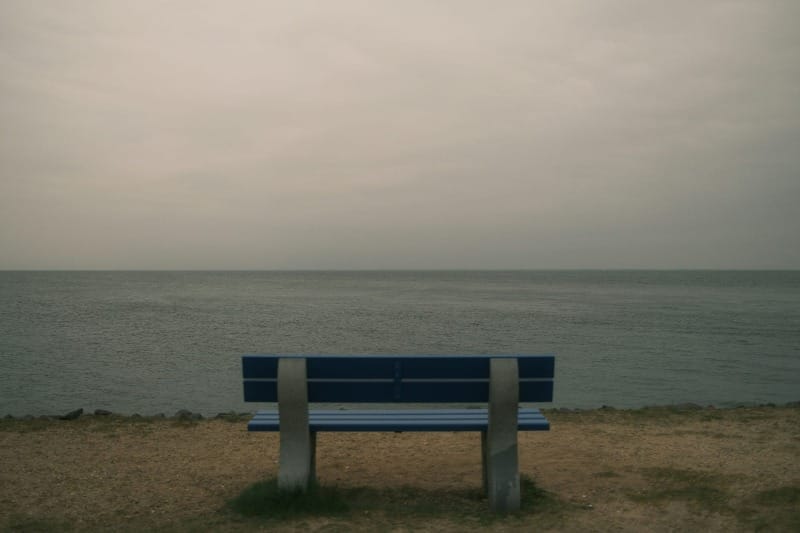
When I was young, I was terrified of being alone.
The moment I found myself without company, boredom would creep in — and beneath it, something worse: the quiet, aching feeling that no one wanted me around. I needed constant affirmation, constant attention, constant proof that I mattered.
In my twenties, if I was home alone, I'd flip through thirty television channels and turn it off. Pick up my phone, scroll through photos — pictures of me laughing with friends, looking happy. Then put it down again.
I'd even start cleaning the apartment. Not because it needed cleaning, but because I couldn't bear to sit still in the silence. That silence felt like abandonment. Like being a child left alone in a corner of a room no one came back to.
I was afraid of empty space. Empty space meant no one was thinking of me. It meant I didn't matter.
Twenty Years of Running
For two full decades, I poured enormous energy into not being alone.
I had dinner with people I didn't particularly enjoy — because anything was better than eating by myself. I went to loud gatherings and came home feeling emptier than before. I said yes to plans when I was exhausted, terrified of being labeled "hard to make plans with."
It became something I couldn't control. As long as I wasn't alone, I would do almost anything. But then what?
One Sunday night, I came home from a karaoke party, washed the smoke and alcohol smell off my skin, and sat on the edge of my bed. My ears were still ringing. But inside, it was terrifyingly quiet.
And in that quiet, I finally understood: I had been using noise — all that noise — to avoid one simple truth. I didn't know how to be with myself.
Being alone might feel lonely. But there is a particular kind of emptiness that settles in after an evening of hollow socializing — and that emptiness showed me exactly what I had been running from.
It was only later that I came across a line by psychoanalyst Donald Winnicott that stopped me completely:
"The capacity to be alone is one of the most important signs of maturity in emotional development."
He wasn't talking about physical isolation. He was describing an inner state — the ability to remain settled, to think, to feel, to create, even when no one else is in the room.
I had spent twenty years without that capacity. My inner world had no foundation, no secure base. So whenever I was alone, I felt like I'd been abandoned in the wilderness — and I would immediately send out distress signals in every direction.
A Date With Myself
Two in the afternoon. I turned off my notifications, made a cup of tea, and sat by the window.
At first, anxiety crawled over me like ants: What are my friends doing right now? Should I send a message?
I stayed. I just looked at the tree outside.
Ten minutes in, I noticed a bird hopping between branches. Twenty minutes in, I watched clouds moving — slowly, slowly. An hour in, I realized I was humming to myself.
When I stopped trying to figure out what I should be doing, the small, quiet things happening right in front of me finally came into focus.
Learning to Tell the Difference
Over the years, I've come to distinguish between three very different experiences that often get lumped together:
Loneliness hurts. The year I went through a painful breakup, I sat in a busy café surrounded by laughter, and felt completely invisible. The louder the room, the larger the hole in my chest. I later learned this wasn't just metaphor — the brain actually processes social pain in the same regions it processes physical pain.
Solitude is comparative. When I first moved to a new city, I'd look at photos of friends gathering on Friday nights and feel like I'd been left behind in another time. I didn't really want to be there. I was afraid of being forgotten.
Aloneness is coming home. Now I can sit in the same café, order the same coffee, and feel completely at peace. Not outside the glass looking in. Not trapped under a bell jar. Just here — fully, quietly here.
Psychologists call the ability to make these distinctions "self-differentiation." And the capacity to truly be alone is a whole set of psychological muscles working together: the ability to have an inner dialogue without being overwhelmed by your inner critic; the tolerance for boredom and empty space; and emotional autonomy — the ability to source your own calm and contentment from within.
What I used to fear wasn't really being alone. It was facing the version of myself who hadn't yet developed any of those muscles.
Why Your Best Ideas Come When You're By Yourself
Have you ever solved a problem in the shower? Had a breakthrough idea on a walk? Found yourself flooded with thoughts in the middle of the night?
My own ideas tend to surface when I'm walking my dog in the morning, on the bus home from the gym, standing in the garden in winter sunlight. A new project direction. An essay topic. Something I want to explore on my podcast.
This isn't coincidence. Neuroscientists call it the Default Mode Network — the brain's activity when it's not focused on external tasks. This is when the mind integrates memories, makes unexpected connections, and runs creative simulations. It's the brain's internal librarian, quietly filing and cross-referencing everything you've experienced.
But here's the key: the Default Mode Network only activates when we genuinely let go. When we stop filling every gap with stimulation.
Healthy solitude isn't just psychological rest. It's physiological restoration — the prefrontal cortex calming the amygdala, stress hormones leveling out, vagal tone improving. A quiet revolution happening inside the body, invisible but real.
From Knowing Many People to Knowing a Few People Deeply
Once I learned to enjoy being alone, something unexpected shifted in how I thought about friendship.
I used to need a lot of people because I needed a lot of validation. So I collected relationships the way some people collect things — more, and more, and more. But after every party, every gathering, I'd come home feeling hollow. Like eating a bag of chips: full, but not nourished.
For years I had a tight group of girlfriends. Daily plans, constant outings, new people to meet, plenty of drama. It felt like a full life. But it didn't last — because no amount of external company can substitute for the stability you build inside yourself.
Now I understand: what the mind actually needs isn't to be liked by many people. It's to be truly known by a few.
So when I want connection, I look for it with intention. Sometimes just a message, a real conversation — not necessarily in person, but genuine. Nourishing, not just filling.
This Path I've Walked for Thirty Years
If you're someone who fears empty space, who struggles to be alone — I want to share a few small things I've learned along the way:
Start with five minutes. Don't force yourself to love solitude. Just like making a new friend, it starts with one cup of coffee. Set a timer so short it can't possibly fail. When it goes off, if it still feels uncomfortable, go do something else. Try again tomorrow. You're gently building your tolerance for stillness — your emotional regulation muscles.
Find one thing only you can do alone. Try writing yourself a postcard — not an email, an actual paper postcard with a stamp, mailed to your own address. When it arrives, the feeling of receiving something from your past self is strangely moving. You're building a sense of inner continuity, a relationship with yourself across time.
Learn to tell the difference between lonely and simply unaccustomed. Many times, we're not actually lonely — we're just not used to quiet. Like walking from a noisy street into a silent room: your ears ring for a while. That's not the room being too quiet. That's your ears adjusting.
Allow the feeling without being swallowed by it. When loneliness surfaces, don't rush to escape it or judge yourself for having it.
Acknowledge: I feel lonely right now. Get curious: What is this feeling trying to tell me? Choose: What do I actually need?
This takes time — real time. From a developmental perspective, the capacity for healthy solitude begins in childhood, with secure attachment. It deepens through adolescence as we form our identity. And in adulthood, it becomes one of the most important resources we have for integrating our experience and creating meaning.
It isn't a gift some people are born with. It's a path. And every small step you take is quietly rebuilding the neural pathways that lead you back to yourself.
You've Always Been Here
Perhaps you want to understand more of what's happening inside you — why you get angry so easily, why you fear being alone, why you keep falling for the same kind of person. This kind of inner exploration is precisely what makes change possible. It's how we grow into the version of ourselves we actually want to be — and how we begin to create the life we've always imagined.
As the title of my book says: Manifestation begins with healing yourself.
And you can begin by reading more.
I still love the joy of a crowded room. I still need friends' laughter, their presence, sometimes their tears alongside mine.
But I also need — and deeply treasure — the time that belongs entirely to me. The quiet time. The time when I don't have to prove anything to anyone.
Because it's in those moments that I hear the quietest voice inside me say:
"Hey. You've always been here."
"And I've finally learned how to keep you company."
From fearing solitude to finding your way home to yourself — this is a journey worth taking.
And home has always been inside you.
Join Future Healing Design as a free member and get:
✦ In-depth articles on healing and manifestation
✦ Free downloads: PDF tools including healing exercises, procrastination workbooks, and more
✦ Divination quizzes and self-discovery games
 tingman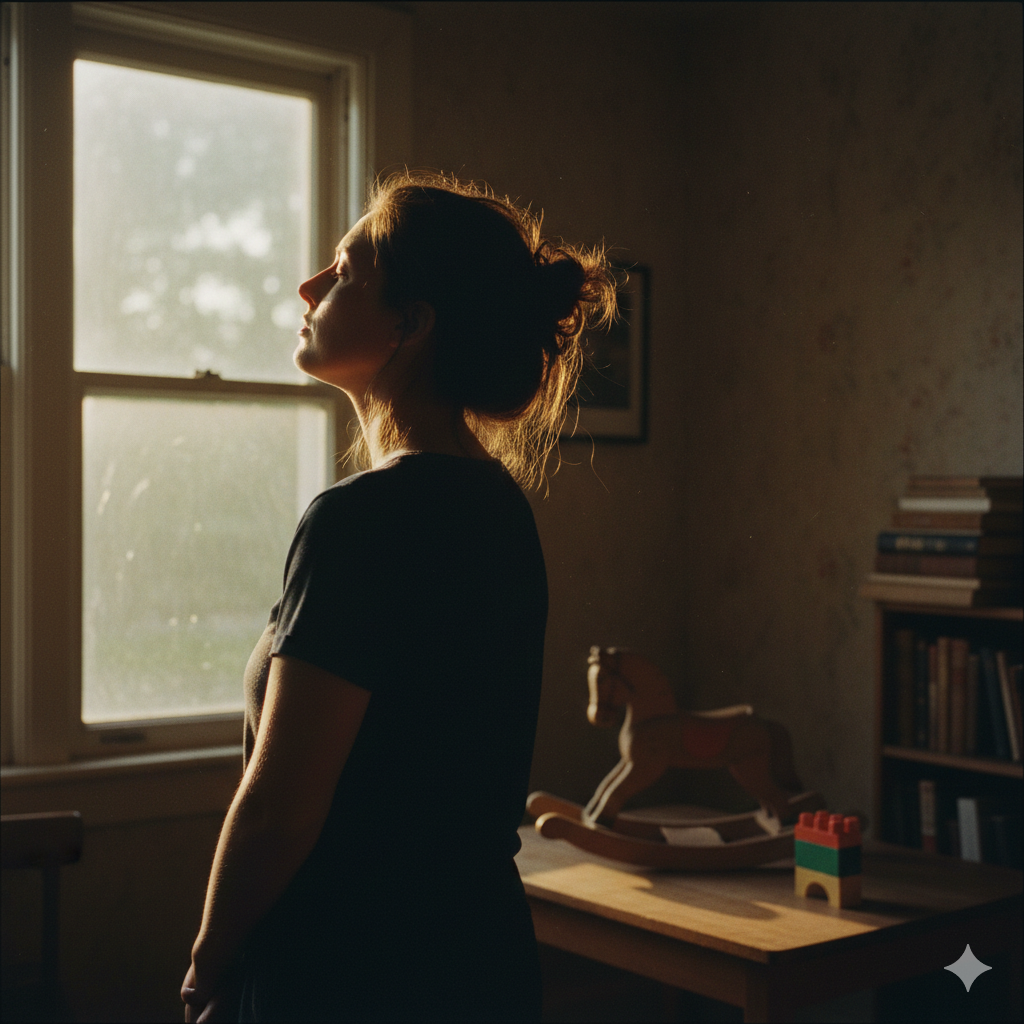
 tingman